An independent information site about the roads, tunnels and bridges of Ireland. Not a sales or booking service.

Structures

Bridges: what makes a good structure

There are two kinds of bridge in Ireland: those built so that people would remember them, and those that nobody notices at all. Both are necessary, and each has its own story.

This is not a complete list. It is a selection of structures for which openly licensed photographs are available.

Guide Published 14 June 2026 Updated 12 September 2026 ≈ 4 minute read
The Samuel Beckett Bridge over the River Liffey, its pylon leaning to one side

The Samuel Beckett Bridge, Dublin. Photograph: DXR (CC BY-SA 4.0), via Wikimedia Commons.

Three things a bridge does

A bridge exists to cross something: a river, a valley, a road or a railway. But the crossing alone is not enough. The bridge has to stand up to local conditions, it has to carry the traffic that passes over it, and it has to belong to the landscape.

That is why one view of a bridge looks so different from another. It is not a neglect of the engineering — it is the result of it.

A bridge can be a tool and a place at the same time. It is rare for one of those to be necessary without the other.

Editorial note
01 The Liffey, Dublin

The Samuel Beckett Bridge

It is the most striking bridge built in the city in recent times, and it stands between the port and the city centre. Its shape is like a harp, or a single tree set to one side, and it has been photographed from every angle.

It is a bridge that carries urban traffic and pedestrians alike, and it belongs to a wider story about the transformation of the area around the port.
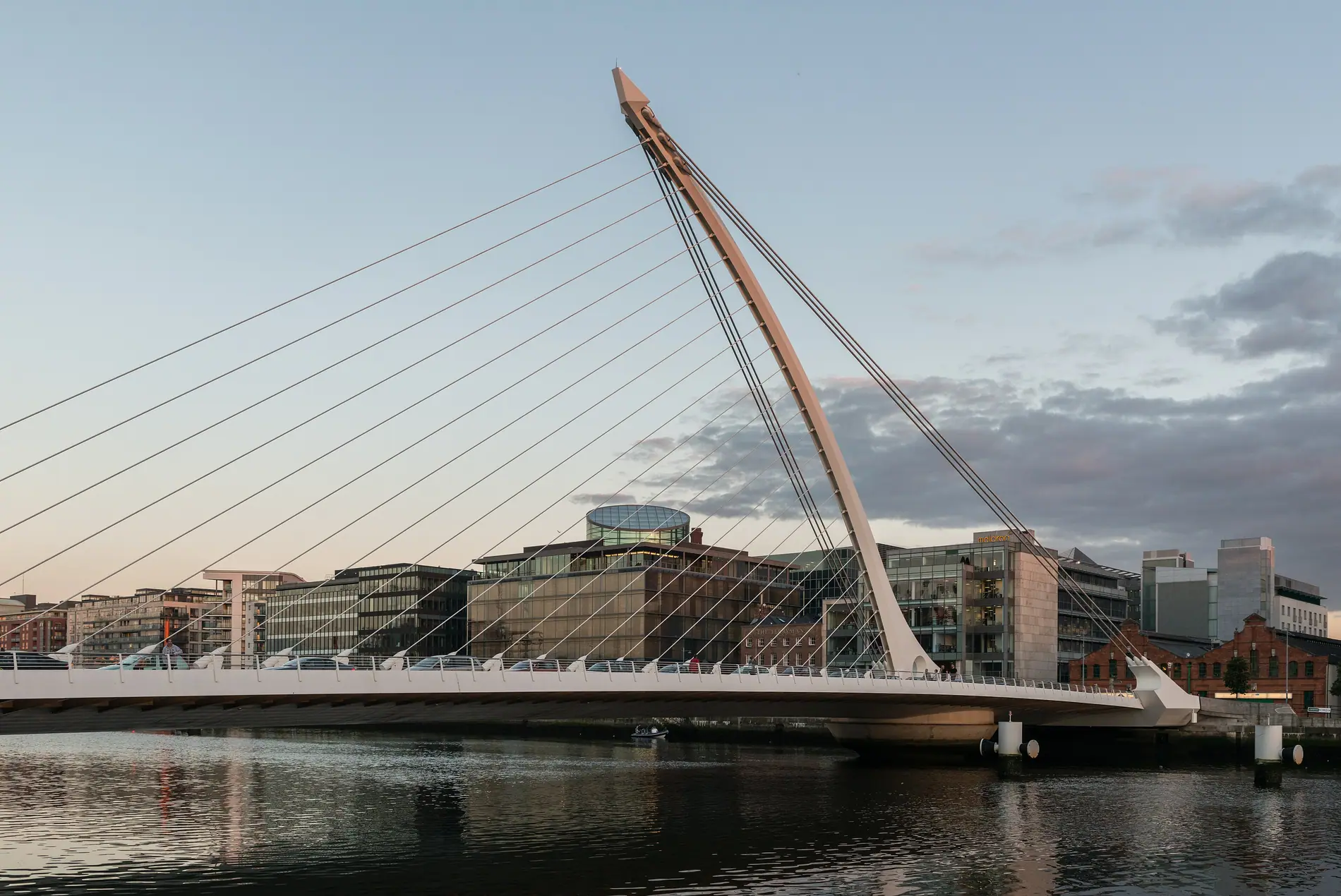
The Samuel Beckett Bridge over the River Liffey in Dublin, with its single pylon
Photograph: DXR (CC BY-SA 4.0), via Wikimedia Commons.
02 The Liffey, Dublin

The Ha'penny Bridge

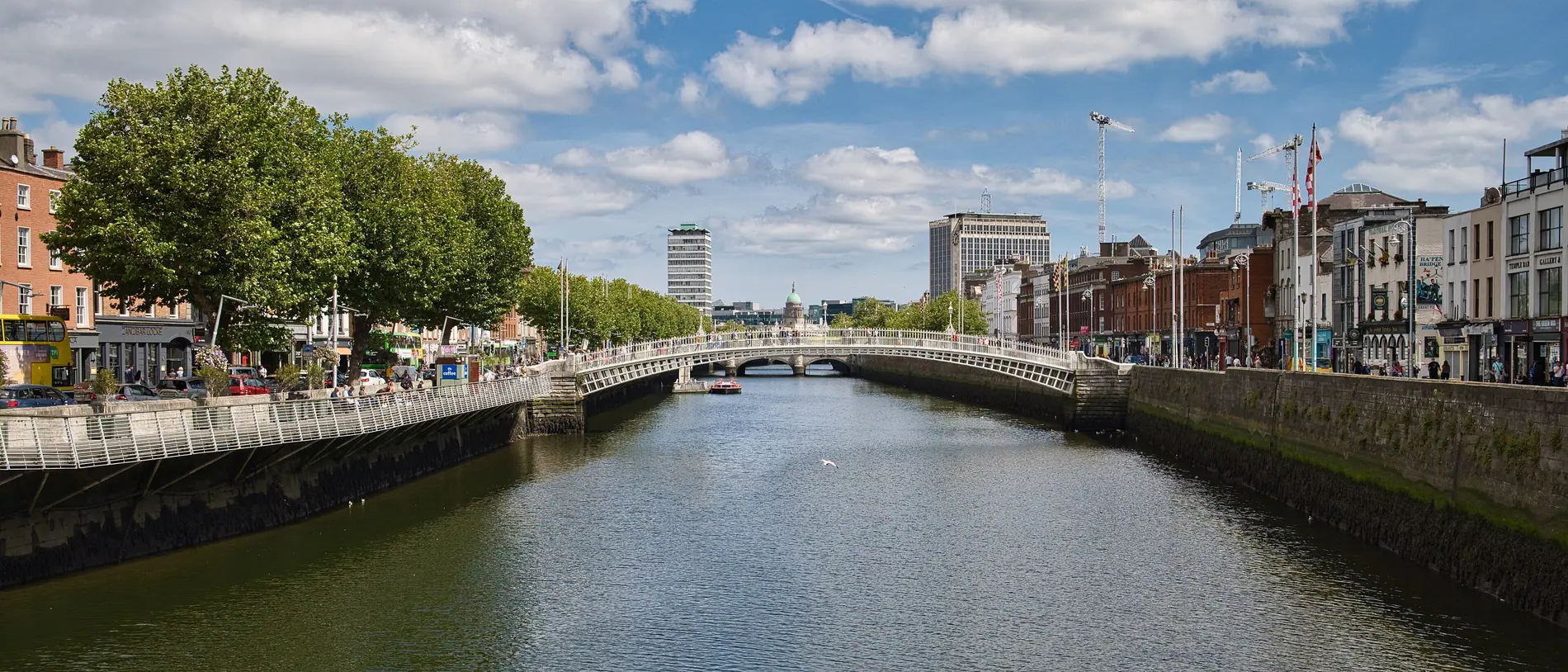
This footbridge is one of the most familiar landmarks in the city. It was built to carry people across the river, and it is still used by pedestrians only.

It is worth seeing as something that belongs to the story of the river: it is not a motorway and it would not suit traffic, but it is part of the city's system of crossings.

The Ha'penny Bridge, an iron footbridge over the River Liffey in Dublin
Photograph: Chris Rycroft (CC BY 2.0), via Wikimedia Commons.
03 Drogheda, County Louth

The Boyne Bridge

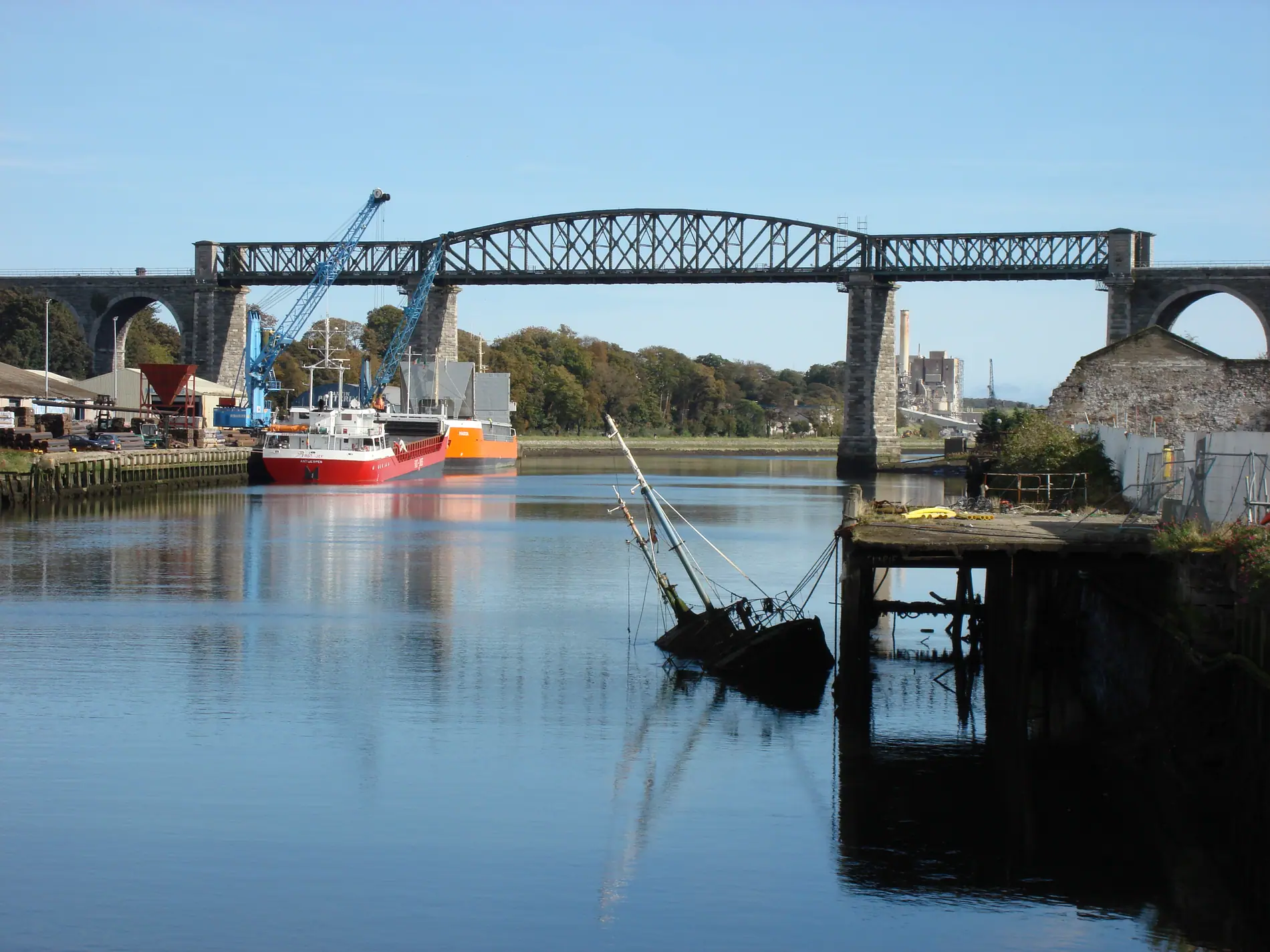
This structure carries the railway line over the River Boyne, and it is among the best known structures in the area. Its raised towers are its principal aesthetic feature.

When you see a bridge like this, you see the way engineering had to reconcile the water and the railway with one another.

The Boyne Bridge in Drogheda, an iron structure with raised towers
Photograph: Trounce (CC BY 3.0), via Wikimedia Commons.
04 The M50 and elsewhere

Motorway bridges

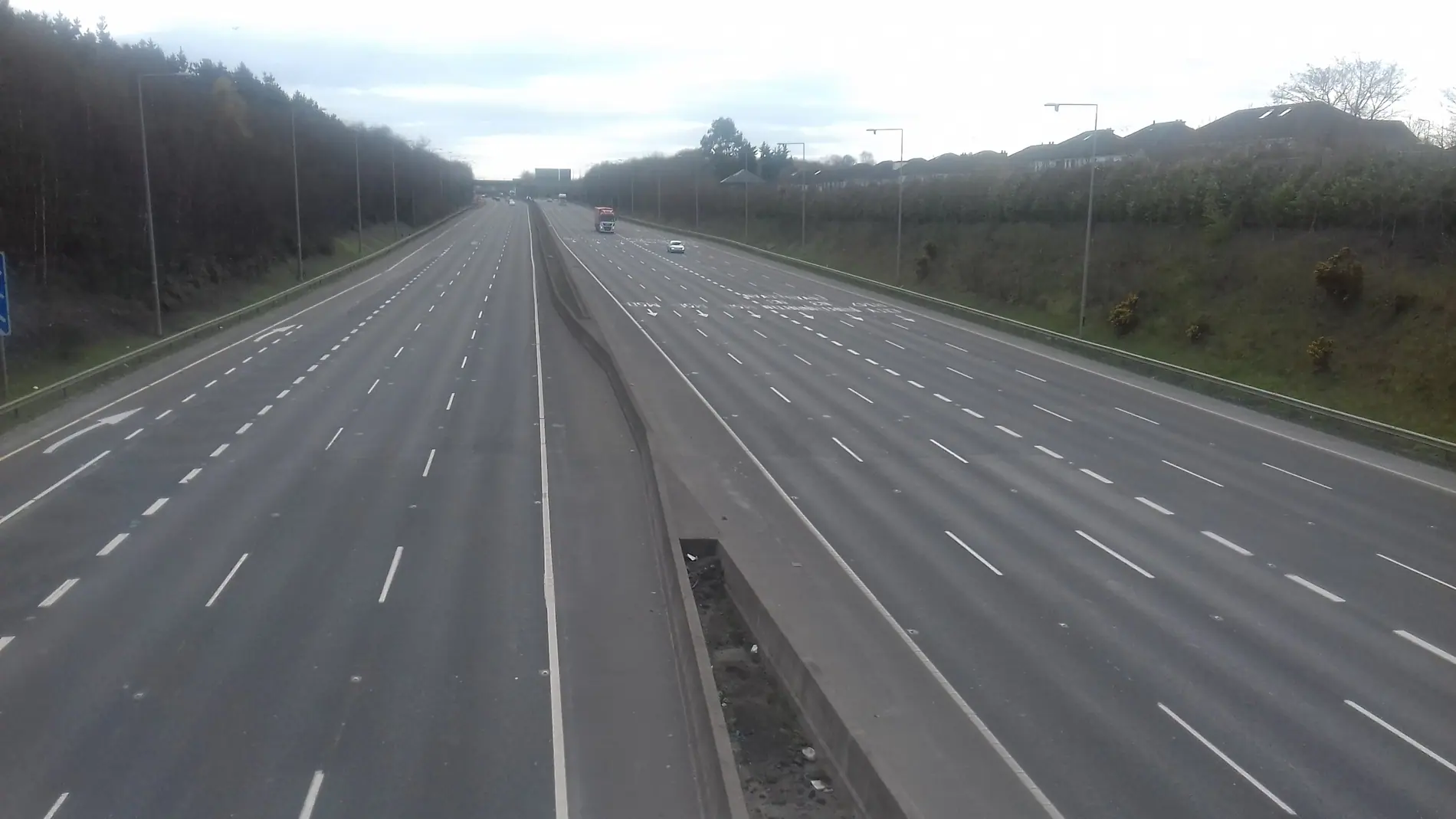
There are hundreds of small, unnamed bridges across the motorway network. They are there so that other roads can pass over the motorway without stopping.

This is the commonest kind of bridge in the country, and it is worth recognising as part of the system.

A junction bridge over the M50, with traffic passing beneath
Photograph: Laurel Lodged (CC BY-SA 4.0), via Wikimedia Commons.

How to read a bridge

You do not need to be an engineer to see what makes a bridge suitable. It comes down to three questions.

What is being crossed?
A river, a road or a valley — this decides the length and the height required.
What passes over it?
Traffic, pedestrians or a railway — this decides the width and the load.
What stands beside it?
Buildings, landscape, water — this decides its appearance and how it is approached.

Editorial

Content is written and reviewed in accordance with our editorial policy.

Corrections

If you see an error, let us know at [email protected].

Contact

m50nline, 73 Clontarf Rd, Clontarf East, Dublin 3, D03 EP93, Ireland
+353 1 833 6364